Chapter 14: The Future of AI Super-Apps
The future AI super-app may not be one chatbot that absorbs every function. It may be a unified application containing specialized workspaces, persistent projects, installable capabilities, scheduled execution, hosted outputs, and review surfaces.
14.1 From One Chat to a Work Environment
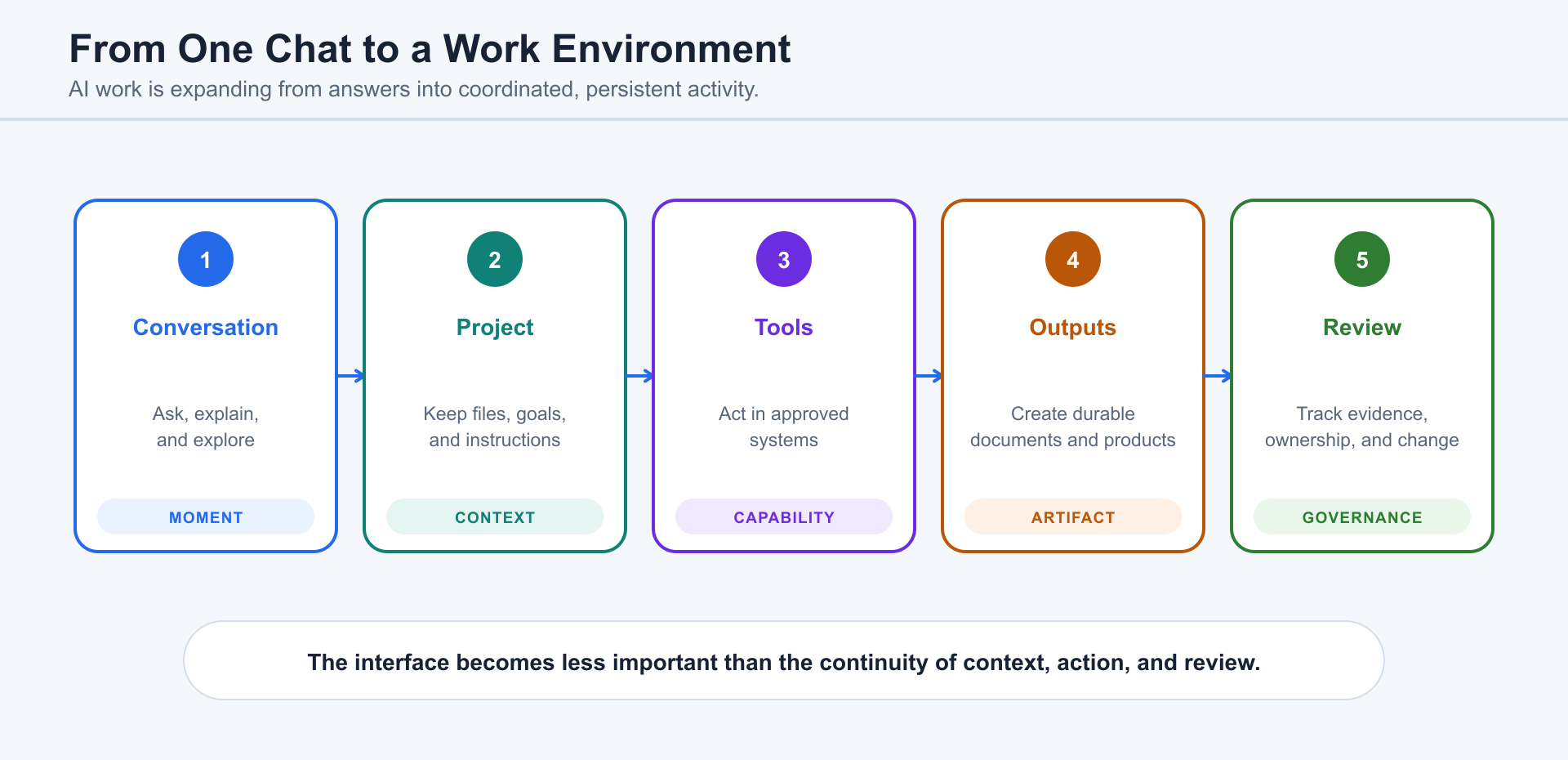
Section titled “14.1 From One Chat to a Work Environment”The emerging pattern is not one model doing everything in one conversation. It is one application coordinating different contexts and surfaces. The user moves between quick conversation, structured work, local development, publishing, scheduled follow-up, and review without abandoning the same overall environment.
14.2 Specialized Workspaces
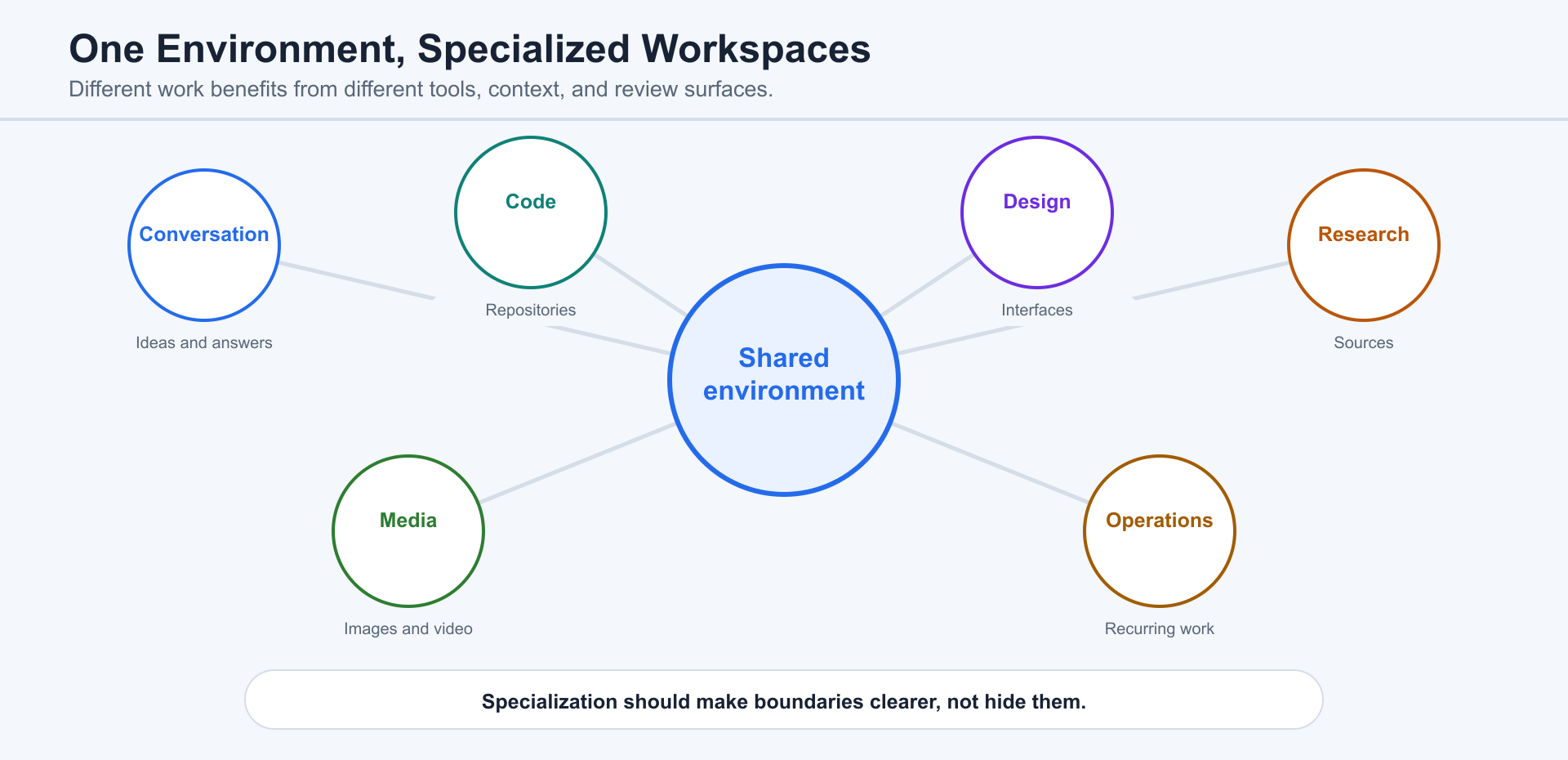
Section titled “14.2 Specialized Workspaces”Specialized agents can serve different kinds of work while sharing an overall account and interaction model. The current ChatGPT/Codex distinction is defined in Chapter 1; future systems may add specialization for design, media, science, operations, or regulated work.
14.3 Persistent Context Through Projects
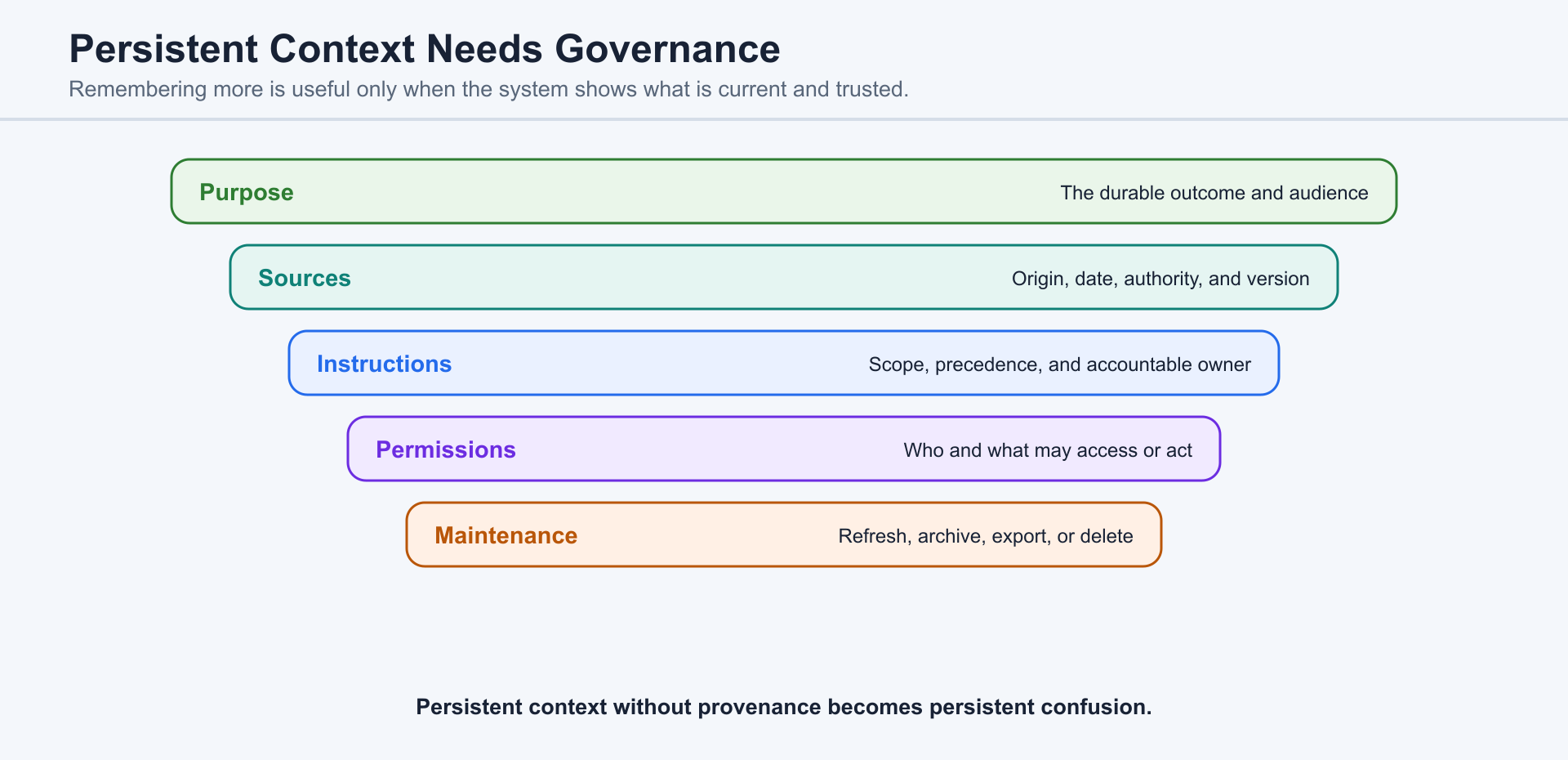
Section titled “14.3 Persistent Context Through Projects”Projects shift AI use from isolated prompts toward ongoing bodies of work. The challenge is not only remembering more; it is keeping sources, instructions, permissions, ownership, and outdated information visible and governable.
14.4 Installable Capability
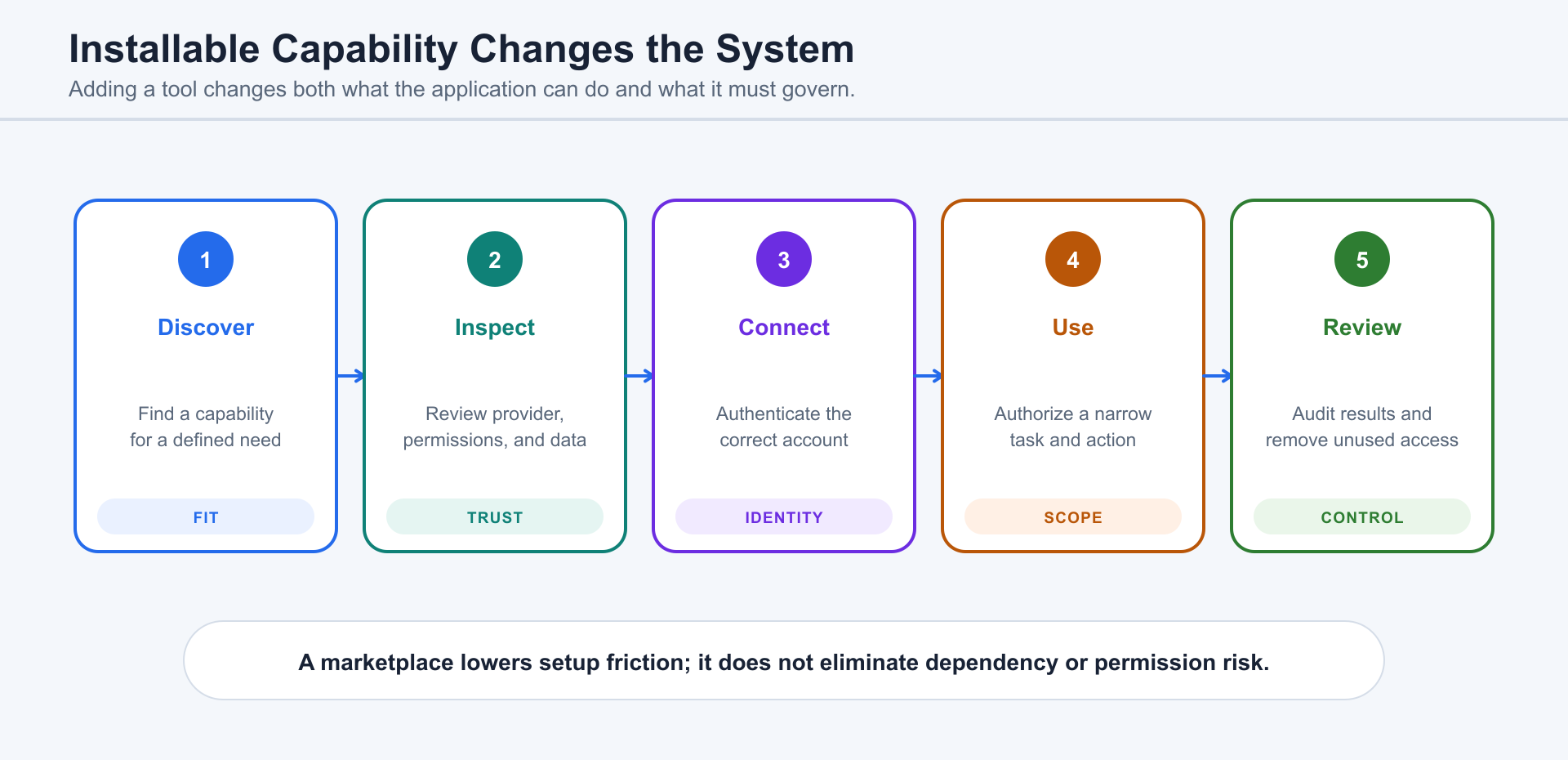
Section titled “14.4 Installable Capability”A general application can acquire specialized workflows and authenticated tools without building every service into its core. This increases capability but also makes provenance, permission review, marketplace trust, and dependency management more important.
14.5 Persistent Outputs
Section titled “14.5 Persistent Outputs”An AI result can become something people visit and use. That changes the unit of work from an answer to a maintained product with versions, deployment, identity, data, analytics, support, and responsibility.
14.6 Work Across Time
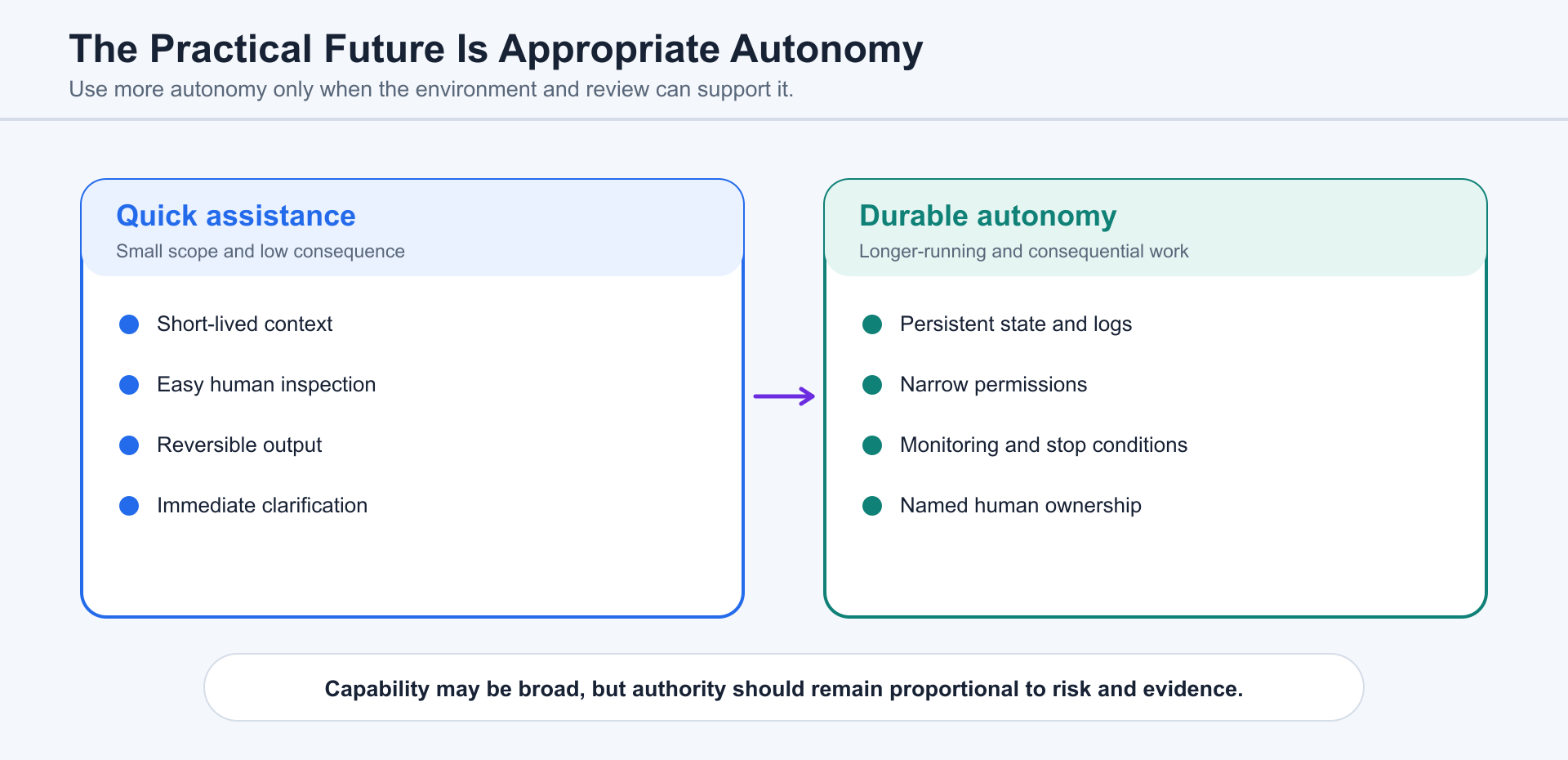
Section titled “14.6 Work Across Time”AI work can extend beyond the live conversation through delayed continuation and recurring checks. This makes durability, monitoring, stop conditions, and unattended permissions central design questions.
14.7 Review Surfaces and Pull Requests
Section titled “14.7 Review Surfaces and Pull Requests”Pull requests shows why specialized review surfaces matter. Complex work needs more than a final answer: it needs diffs, comments, tests, evidence, approval states, ownership, and a record of what changed.
14.8 The Continuing Human Role
Section titled “14.8 The Continuing Human Role”As systems coordinate more tools and run for longer periods, human work moves toward defining outcomes, selecting context, setting permissions, reviewing evidence, handling exceptions, and accepting responsibility for consequential decisions.
14.9 The Cost of Centralization
Section titled “14.9 The Cost of Centralization”A unified application reduces friction, but concentration creates dependency. A failure, policy change, compromised connection, incorrect memory, or excessive permission can affect many workflows at once. Portability, exports, logs, backups, and alternative paths remain important.
14.10 A Practical Future
Section titled “14.10 A Practical Future”The most useful future is not maximum autonomy everywhere. It is appropriate autonomy: quick conversation when a question is small, structured work when a deliverable matters, specialized implementation when software execution is required, persistent context for ongoing work, approved tools for external systems, durable outputs for published work, recurring execution when work must continue later, and human review whenever consequences rise.
Final Principle
Section titled “Final Principle”One application can coordinate many kinds of work, but each context, integration, recurring task, deployment, and review process should make its permissions, evidence, and human owner clear.